The Role of Chance in Casinos
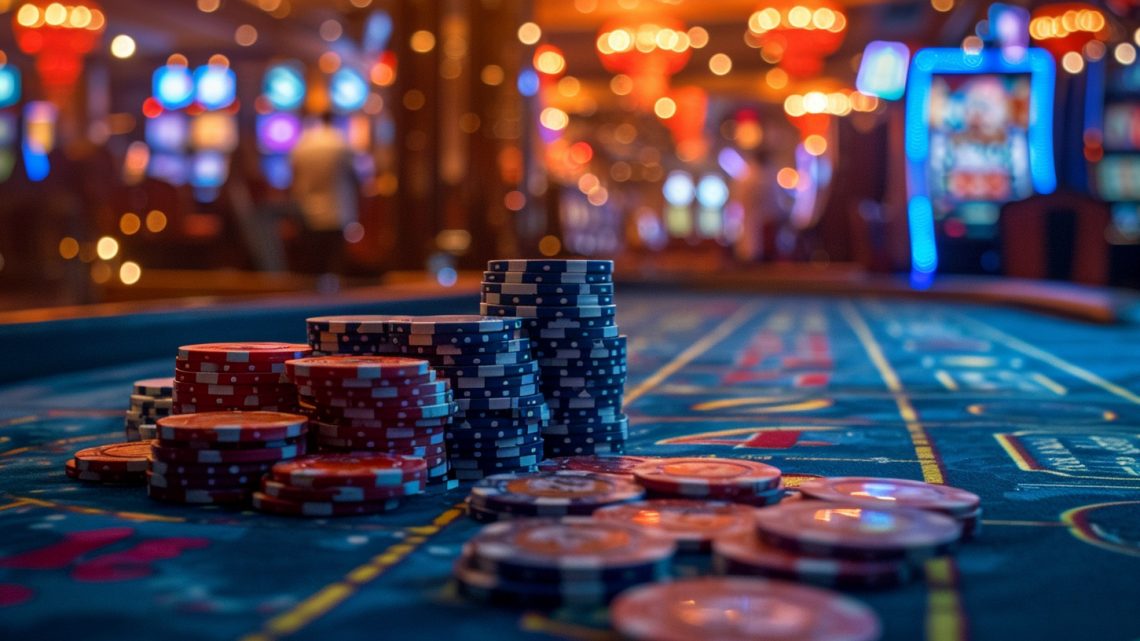
When discussing casinos, the concept of chance is paramount. Every game, whether it’s a round of roulette or a hand of poker, operates on the principle of randomness. This randomness is what entices players, as it provides the thrill of possibility. In a game of chance, outcomes are determined by luck rather than strategy, ensuring that every player has an equal opportunity to win, regardless of their experience level. The very design of casino games is structured to amplify this sense of unpredictability, drawing players in with the hope of a big win, especially at places like payid australia casino where excitement is a guarantee.
Understanding how chance influences games can help players recognize that while they may have some control, the ultimate outcome still relies heavily on luck. Take slot machines, for example; they use random number generators to determine results, making every spin truly independent from the last. Despite strategies players might employ, the inherent nature of these games means that luck plays a decisive role. This reliance on chance can be exhilarating, as players often find themselves caught between hope and reality as they await the next big payout.
Moreover, the psychological element of chance cannot be overlooked. Players often attribute their wins to skill, while losses are brushed aside as mere bad luck. This cognitive bias is common in gambling behavior, allowing individuals to continue playing in the hope that their fortunes will turn. In this way, the element of chance serves as both an allure and a trap, enticing participants to return to the tables with the promise of hitting the jackpot, despite the underlying odds of the games.
Skill-based Games and Strategy
While many casino games are based on chance, others rely significantly on skill. Poker is perhaps the most notable example where player strategy and decision-making can influence the outcome. In games like these, skilled players can leverage their understanding of probability, psychology, and game theory to gain an edge over their opponents. This blend of luck and strategy keeps players engaged, as they must constantly analyze their opponents and adapt their tactics to maximize their chances of winning.
Moreover, in skill-based games, players often develop a sense of identity and pride tied to their ability to outmaneuver others. This contrasts with pure games of chance, where winning is entirely dictated by luck. The challenge of honing skills and mastering strategies adds depth to the gaming experience, inviting players to not only compete against the house but also against themselves. This dynamic fosters a community where individuals can share tactics, discuss hands, and learn from one another’s experiences.
However, it’s important to note that even in skill-based games, luck still plays a role. A poor draw of cards or a misread opponent can lead to unexpected outcomes. For example, a highly skilled poker player can still lose to an amateur who gets lucky with fortunate card draws. This interplay between skill and chance creates a uniquely thrilling environment in casinos, where every decision can lead to vastly different results, maintaining the excitement for players and ensuring long-term engagement.
The Psychology of Gambling: Luck vs. Skill
The psychology behind gambling is a fascinating aspect that intertwines chance and skill. Many players enter casinos with a mindset that heavily influences their experiences—some believe in their ability to control outcomes, while others may rely on luck-based superstitions. This psychological spectrum shapes how individuals approach games and their willingness to take risks. Players who perceive their successes as a result of skill may be more inclined to invest time and money into mastering particular games.
Conversely, those who view gambling primarily through the lens of luck may find consolation in randomness, allowing them to detach from the emotional weight of losses. This distinction can result in different approaches to gameplay; skill-based players often analyze their decisions meticulously, while luck-focused individuals may be more impulsive, believing each play is a new opportunity for fortune. Ultimately, understanding these psychological factors can significantly affect a player’s outcomes, as it influences their risk tolerance and decision-making processes.
Additionally, casinos are well aware of these psychological tendencies and design their environments to enhance the thrill of chance. Bright lights, catchy sounds, and celebratory displays of winnings all contribute to creating an atmosphere that encourages further play. This can lead to a cycle where players chase the exhilarating feeling associated with gambling, often fueled by a blend of short-term success and the allure of future wins, regardless of the underlying reality of chance versus skill.
The Economics of Luck in Casino Games
The economic implications of luck in casino games extend beyond the player experience. Casinos operate on the principle that over time, the house edge will ensure profitability, regardless of the luck associated with individual games. This means that while players may experience short-term wins due to chance, the odds are meticulously calculated to favor the casino in the long run. Understanding this aspect can influence how players manage their expectations and bankrolls while gambling.
Furthermore, analyzing the economic impact of games of chance reveals interesting patterns in player behavior. Many individuals are drawn to games of chance, believing they can beat the odds or hit a lucky streak. However, casinos are designed to capitalize on this hope, ensuring that the statistical advantage remains in their favor. This often leads to the phenomenon known as the “gambler’s fallacy,” where players erroneously believe that past events influence future outcomes, leading to increased bets when luck seems to lean in their favor.
Additionally, the economic success of casinos can drive local economies, providing jobs and increasing tourism. As players flock to gaming establishments, the influx of visitors stimulates demand for other services such as hotels, restaurants, and entertainment. This creates a vibrant ecosystem that relies on the intricate dance of luck and skill in gambling, further emphasizing the importance of understanding these dynamics in both personal and economic contexts.
Your Source for In-Depth Casino Knowledge
This article has explored the intricate relationship between casinos, luck, and skill, offering insights into how chance and strategy intersect within gambling environments. For those seeking to deepen their understanding of this fascinating industry, a wealth of resources is available. Whether you’re a novice player looking to learn the basics or a seasoned gambler wanting to refine your strategies, the right information can enhance your gaming experience.
By engaging with comprehensive guides, expert analyses, and community forums, individuals can navigate the complexities of casino dynamics more effectively. Familiarizing yourself with the probabilities, house edges, and psychological strategies can provide a more rounded perspective on gaming, enriching the enjoyment of both chance and skill-based games. As you continue your journey in the world of casinos, remember that knowledge is your most powerful tool.
Stay tuned for more articles that delve deeper into the vast world of casinos, where the intersection of luck and skill continues to create unique experiences for players around the globe. Understanding this complex relationship not only enhances your gameplay but also equips you with the insights needed to make informed decisions, allowing for a more rewarding journey in the vibrant landscape of gambling.